Gas appliances are widely used in homes, rental properties, and commercial buildings across the United Kingdom. Boilers, gas heaters, and kitchen stoves make everyday living easier, but they must be maintained properly to ensure safety. A Gas Safety Certificate is an official document that confirms gas appliances in a property have been inspected and meet the required safety standards.
Gas appliances that are not inspected regularly can develop faults that may lead to gas leaks or carbon monoxide exposure. These risks make regular gas safety checks essential for protecting occupants. Qualified professionals perform inspections to ensure that appliances operate safely and efficiently.
In the UK, gas safety inspections are particularly important for landlords who provide gas appliances to tenants. Annual inspections help ensure compliance with gas safety regulations and reduce potential hazards within the property.
What Is a Gas Safety Certificate?
A gas safety certificate is a document issued after a professional inspection of gas appliances in a property. The inspection must be carried out by a Gas Safe-registered engineer, who is authorized to test and verify gas systems.
The certificate confirms that appliances such as boilers, cookers, and gas heaters have been inspected and found safe to use. It also records important information including the date of the inspection, the appliances tested, and the details of the engineer who performed the check.
This document is commonly referred to as a CP12 certificate when used for rental properties. Landlords must keep this record as proof that their property complies with gas safety regulations.
The purpose of the certificate is to ensure that appliances are functioning correctly and that any potential hazards are identified before they become serious problems.
Importance of Gas Safety Checks
Gas safety inspections play a vital role in protecting people from dangerous gas related accidents. Faulty appliances can produce carbon monoxide, a harmful gas that cannot be seen or smelled. Without proper ventilation and regular checks, this gas can accumulate indoors and cause severe health issues.
Regular inspections help engineers detect problems such as blocked flues, damaged components, or inefficient combustion. Addressing these issues early helps maintain safe appliances and prevents unexpected breakdowns.
Another important reason for gas safety checks is legal compliance. Landlords are responsible for maintaining safe gas appliances in their properties. A valid Gas Safety Certificate demonstrates that the landlord has arranged the necessary inspections and fulfilled their legal responsibilities.
These inspections also help improve appliance efficiency. Properly maintained appliances often consume less energy and operate more effectively.
Who Is Responsible for Gas Safety?
Responsibility for gas safety varies depending on property ownership. Landlords are legally required to arrange annual gas safety inspections for rental properties that contain gas appliances.
After the inspection, tenants must receive a copy of the gas safety record. This ensures that tenants are aware that the appliances in the property have been checked and approved by a qualified engineer.
Property managers and letting agents may also assist landlords by organizing inspections and maintaining records of certificates.
Homeowners are not legally required to obtain a gas safety certificate, but arranging periodic inspections is still recommended. Regular servicing ensures that appliances remain safe and function efficiently.
Businesses that use gas equipment may also require inspections depending on the nature of their operations.
Types of Gas Safety Certificates
Different properties and appliances may require different types of safety certificates. The most common type is the CP12 certificate used for residential rental properties.
Commercial properties may require commercial gas safety certificates. These inspections are typically conducted in restaurants, offices, or other workplaces that use gas powered equipment.
Properties that rely on liquefied petroleum gas may require LPG safety certificates. This type of inspection ensures that LPG appliances and storage systems operate safely.
Catering establishments often require specialized inspections due to the heavy use of gas appliances in commercial kitchens. Each certificate ensures that the appliances have been tested according to safety regulations.
What Happens During a Gas Safety Inspection?
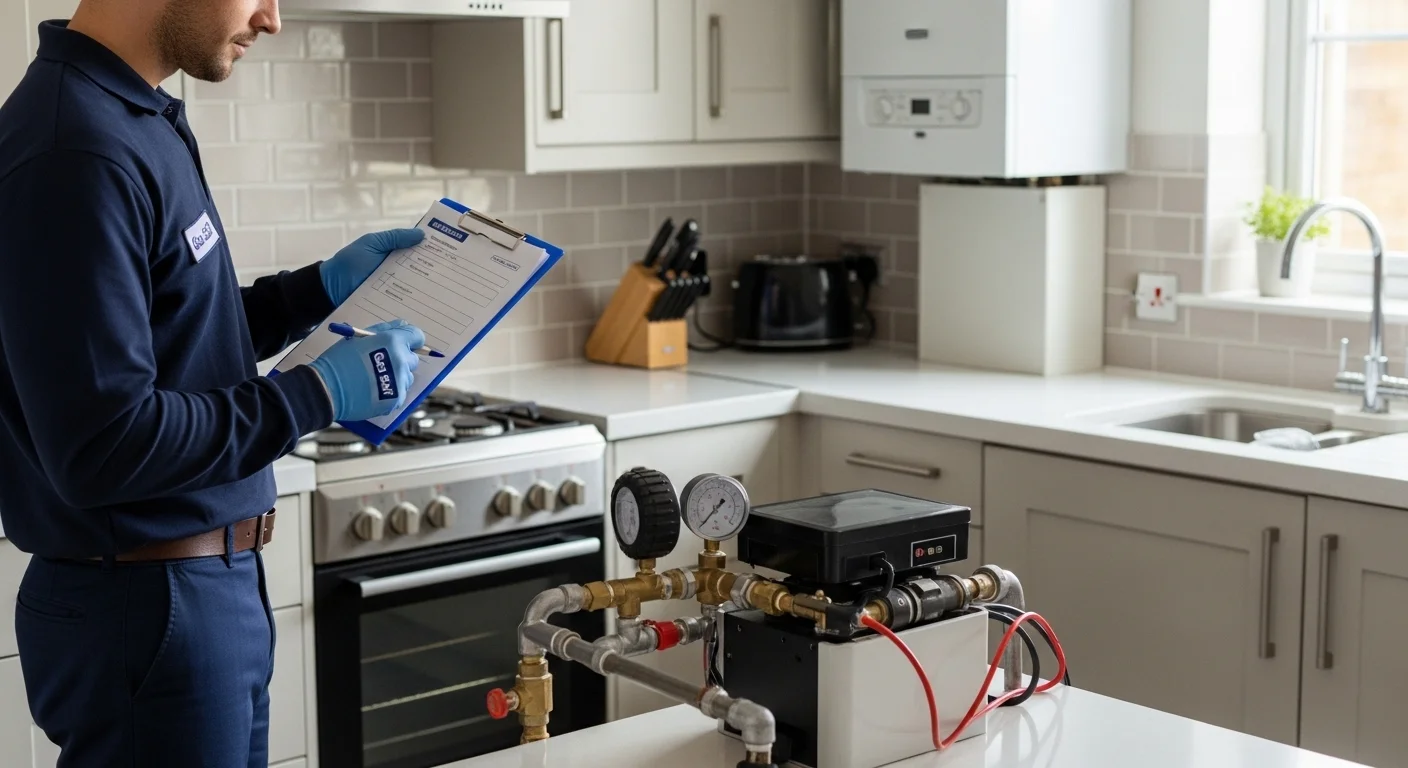
A gas safety inspection involves several important checks carried out by a qualified engineer. Each appliance connected to the gas supply is carefully examined to ensure it operates safely.
The engineer checks that appliances burn fuel correctly and that there are no gas leaks in the system. Gas pressure levels are also tested to confirm that appliances receive the correct amount of fuel.
Ventilation systems and flues are inspected to ensure that harmful gases can exit the building safely. Adequate airflow is necessary for safe combustion.
The engineer also checks safety devices within the appliances. These components help shut down the appliance automatically if a fault occurs.
If all appliances pass the inspection, the engineer issues a Gas Safety Certificate confirming that the property meets safety requirements.
Steps to Obtain a Gas Safety Certificate
Obtaining a gas safety certificate is a straightforward process for property owners. The first step is to locate a qualified Gas Safe registered engineer who is authorized to perform inspections.
After contacting the engineer, an inspection appointment is scheduled. During the visit, the engineer conducts a full gas safety check on all appliances within the property.
Once the inspection is complete, the engineer documents the results. If the appliances meet safety standards, a certificate is issued. If any problems are identified, repairs must be completed before the certificate can be provided.
Property owners should keep the certificate safely and ensure that the next inspection is arranged before the certificate expires.
Cost of Gas Safety Inspections
The cost of a gas safety inspection varies depending on several factors. These include the number of appliances that need to be inspected and the location of the property.
Properties with multiple gas appliances may require more time for inspection, which can increase the service cost. Commercial inspections may also be more expensive due to the complexity of equipment used in businesses.
Although there is a cost involved, regular inspections are a valuable investment. They help prevent serious safety issues and ensure compliance with legal regulations.
Validity Period of a Gas Safety Certificate
A gas safety certificate is valid for twelve months from the date of inspection. Landlords must arrange a new inspection every year to maintain compliance with safety regulations.
Scheduling inspections before the previous certificate expires helps ensure continuous compliance. Regular annual inspections also allow engineers to identify maintenance needs early and prevent appliance failures.
Keeping accurate records of inspections is important for landlords and property managers who must demonstrate compliance with safety regulations.
Consequences of Ignoring Gas Safety Regulations
Ignoring gas safety requirements can have serious consequences. Landlords who fail to arrange inspections may face legal penalties or fines.
In some cases, failing to maintain safe appliances can lead to criminal charges if tenants are exposed to danger. Insurance claims may also be rejected if the property owner has neglected required safety checks.
Beyond legal consequences, the biggest risk is the safety of occupants. Faulty appliances can lead to fires, explosions, or carbon monoxide poisoning. Regular inspections help prevent these hazards and maintain safe living conditions.
Maintaining Gas Safety Between Inspections
Property owners can take several steps to maintain gas safety between inspections. Regular servicing of boilers and heating systems helps keep appliances operating efficiently.
Installing carbon monoxide detectors is another important safety measure. These devices alert occupants if harmful gases are detected inside the property.
Residents should also watch for warning signs such as unusual appliance noises, yellow flames instead of blue flames, or strange odors near gas appliances. If these signs appear, contacting a qualified engineer immediately is recommended.
Frequently Asked Questions
How often should a gas safety inspection be performed?
Landlords must arrange inspections every year, while homeowners should consider regular servicing for safety.
Who can issue a gas safety certificate?
Only engineers registered with the Gas Safe Register are authorized to perform inspections and issue certificates.
Do tenants receive a copy of the certificate?
Yes, landlords must provide tenants with a copy of the gas safety record after the inspection.
Is a gas safety certificate required for homeowners?
Homeowners are not legally required to obtain one, but regular inspections are strongly recommended.
Conclusion
Gas safety inspections are essential for maintaining safe properties and protecting occupants from potential hazards. Regular checks carried out by qualified engineers help ensure that appliances operate correctly and comply with safety regulations. By arranging inspections, maintaining appliances, and following safety guidelines, property owners can create safer environments for everyone who lives or works in their property.