Finding space for a printed pop-up tent amid packed schedules brings problems few expect. When crowds fill trade shows, festivals, or company meetings, success often hinges on handling tight timelines, shifting weather, and scattered responsibilities, with little room for error.
A shaky rope here, a missed check there, tents fall when corners get cut. Fabric meant to impress ends up marked and ruined by careless moves. Paths clog fast if nobody walks on the ground first.
Here is the upside: careful preparation stops typical mistakes before they start. Five proven ideas from experienced crews help guarantee tents go up safely and correctly on time, no matter how tough the site or weather gets.
Expert Tips for Safe and Efficient Tent Setup at Busy Events
1 Conduct a Thorough Site Assessment Before Unloading
The first thing we do is a full walk-through of the space, no equipment unpacked yet. Seeing it in person means surprises stay behind, not on your timeline.
Watch out above; spot things hanging down from tree limbs, wires, and parts of structures that could get in the way.
Beneath the surface, surprises wait. Sprinklers hidden below might break when stakes go in. Septic tanks lie quiet, yet a single puncture brings big trouble. Wires and pipes run through soil, fragile under pressure from poles driven too deep. Watch for these before any post touches ground.
Start by checking the area where the tent goes, and make sure there is room for ropes and people to move around. Watch out if the land slopes, holds water, or feels spongy underfoot. Mark those spots fast with a sign.
2 Match Your Anchoring Strategy to the Ground Surface
A shaky start usually comes down to how well stakes hold in dirt, sand, or rock. Most tents collapse because anchors slip when mismatched to the terrain. Whether setting up standard camping shelters or premium branded tents for corporate events, proper anchoring techniques remain essential for stability and safety, regardless of ground conditions.
Start by picking either grass or soil. Slide metal stakes into the ground at a tilt of around 45 degrees. This angle holds things tight. Strength comes from that slant, not just depth.
On tough ground like concrete or asphalt, secure units with rated ballast, such as water tanks or heavy blocks that match the manufacturer’s storm resistance rules.
Watch safety first. Spread out your space anchors, then test how steady they are more than once. Put up signs at each point where people might stumble.
3 Protect Your Tent Materials From the Chaos
Bumpy ground under tents often hides sharp bits that chew through fabric fast. When crowds pack in, every step adds stress on seams and poles alike. Vendors setting up close might bump corners, leaving weak spots behind. Even the sun beating down changes how strong the material stays for hours. A quick check before opening catches issues while fixes are still simple. Keeping things steady means fewer surprises when people start arriving. Professional custom event tents require extra care during setup to preserve branded graphics and maintain the polished appearance that represents your organization at high-profile gatherings.
Before rolling out fabric, spread fresh tarps on the ground. That is, your grime oil or rough surfaces will not leave marks. Protection starts underneath.
Wearing gloves helps keep fingerprints off the record surface. Slide records into the pole sleeves instead of laying them down. Paving can warp the shape if you pull the gear over rough ground. Protect your setup by lifting, not sliding. Gloves on, care taken.
Stuff belongs up high, resting on soft mats, so nobody treads on it or grabs the wrong box by mistake.
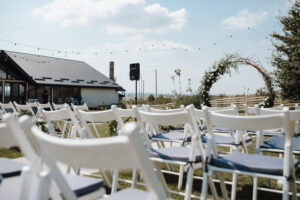
4 Build and Tension Properly With Adequate Team Coordination
Hauling big tents into place takes effort. Teamwork must be tight, matched movements. Lifting or tightening one. Only do it if everyone needed is already in position.
Build the roof ahead of time when working on frame tents, and slide it into place once ready. Side poles go up early with pole tents, making room for central supports after.
Fabric stretched right means fewer puddles when it rains and also stops flapping in gusts. Smoothness matters if you want things to stay quiet at night.
Start by pulling each corner steadily, making sure tension spreads the same everywhere. A slip on one side might wreck the whole setup later. Balance matters most when fastening lines at every point. Too much squeezed in one spot risks breaking things apart suddenly.
Make sure everything is safe before leaving. Check each entry point one last time. Look around slowly, your hands ready. Exit only after confirming no hazards remain. Move away carefully when done.
5 Final Safety and Accessibility Checks
Check everything one last time before saying it is done. When places get crowded, how easy they are to enter becomes very important.
Check the edges first. Go around the area slowly, making sure each rope stays firm. Hold every stake down solid. Fasten all links without skipping any.
Watch where you walk. Entry and exit spots need clear signs; nothing is blocking them. Loose wires or stakes sticking out. Those can trip someone and take them away.
One last look around makes sure exits stay clear. Talking through details with the organizer confirms everything fits what was planned.
Conclusion
Fresh air fills the space where crews stretch canvas high above ground, long before crowds arrive. Timing matters most when the stakes anchor fabric against sudden wind. One person checks ropes while another aligns poles. Each move is shaped by what happened last time rain fell mid-event. Quiet adjustments early prevent chaos later. Focus stays sharp because loose ends catch everyone off guard.